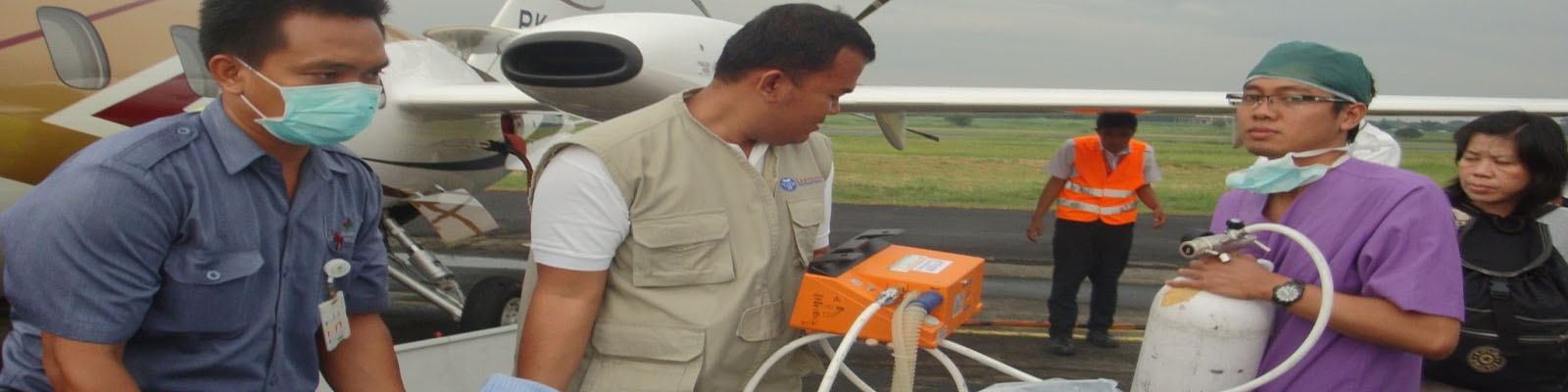
Air Ambulance Safety: Declining Fatal Accidents Through Advanced Measures
In critical moments, when every second counts, a
medical emergency flight often represents the best, or only, chance for survival. Air ambulances, comprising both helicopters and fixed-wing aircraft, are the lifelines that transport critically ill or injured patients from accident scenes, remote locations, or smaller hospitals to specialized medical centers. These essential services, often termed Helicopter Air Ambulance (HAA) or air medical services, are indispensable for rapid response and patient evacuation. However, the very nature of their mission – operating under challenging conditions such as adverse weather, at night, or in Instrument Meteorological Conditions (IMC) – historically presented significant operational risks and safety concerns.
Despite these inherent challenges, the landscape of air ambulance safety has undergone a transformative evolution. Once grappling with concerning accident rates, the sector has demonstrated remarkable progress, particularly in the last decade, with a marked decline in fatal incidents. This improvement is not accidental; it is the direct result of comprehensive regulatory interventions, pioneering technological advancements, and a relentless focus on fostering a robust safety culture.
The Demanding Environment of Medical Emergency Flights
The operational environment for air ambulances is arguably one of the most demanding in aviation. Unlike commercial flights that operate on established routes and under predictable conditions, a
medical emergency flight often requires immediate deployment into unfamiliar terrain, unpredictable weather, and under immense time pressure. Helicopters, for instance, are frequently called upon to land in confined spaces or at accident sites, adding layers of complexity. Fixed-wing aircraft, while used for longer inter-facility transports, also face the challenges of rapid deployment and coordination across various air traffic control jurisdictions.
Historically, this demanding operational tempo contributed to elevated accident risks compared to general commercial aviation. Data from the National Transportation Safety Board (NTSB) revealed a concerning trend in the early 2000s. Between 2002 and 2005 alone, 55 EMS aircraft accidents were investigated, including 41 helicopter incidents. Of these, 16 were fatal crashes, resulting in 39 fatalities. The accident rate for EMS helicopters notably rose from 3.53 per 100,000 flight hours (1992–2001) to 4.56 per 100,000 flight hours (1997–2001), coinciding with an expansion of services. Issues such as inadequate weather minimums and the absence of standardized risk assessment programs were identified as significant contributing factors.
A Turning Point: Regulatory Interventions and Technological Leaps
The turning point in air ambulance safety can largely be attributed to a concerted effort by regulatory bodies and the industry to address systemic issues. A pivotal moment came with the Federal Aviation Administration (FAA) rulemaking implemented post-2014 in the United States. These regulations were not merely incremental changes; they represented a fundamental shift in operational standards and safety mandates for air medical services.
Key regulatory interventions included:
- Enhanced Pilot Training for IMC: Mandating more rigorous training for pilots to operate safely in Instrument Meteorological Conditions, where visibility is significantly reduced.
- Stricter Visual Flight Rules (VFR) Minimums: Implementing more conservative minimums for VFR operations, reducing the likelihood of pilots inadvertently encountering hazardous weather conditions.
- Mandatory Helicopter Terrain Awareness and Warning Systems (HTAWS): Requiring advanced technology that alerts pilots to potential terrain collisions, especially critical during low-altitude flight and in unfamiliar areas.
- Implementation of Operations Control Centers (OCCs): Establishing centralized control centers that provide essential flight following, weather monitoring, and risk assessment for every mission, thereby enhancing real-time decision-making and oversight.
The impact of these comprehensive measures has been profound and statistically significant. The period between 2010 and 2021 saw 83 HAA accidents, with 27 deemed fatal, accounting for 32% of total accidents. However, a deeper dive into these numbers reveals a remarkable decline post-2014. Fatal accidents dropped sharply from 45% of total accidents between 2010 and 2015 (21 of 47) to a mere 17% between 2016 and 2021 (6 of 36). Even more impressively, there were zero fatal HAA accidents recorded in 2018, 2020, and 2021. The trend continued into 2023, with FAA data showing only 6 HAA accidents (2 fatal) across an impressive 528,313 flight hours, yielding an overall accident rate of 1.14 per 100,000 hours and a fatal rate of 0.57 per 100,000 hours. This dramatic improvement underscores the effectiveness of proactive regulatory frameworks in boosting air ambulance security. Read more about how regulations have impacted this sector here:
Soaring to Safety: How Regulations Boosted Air Ambulance Security.
While the focus here is on U.S. operations, similar risks and mitigation strategies are adopted globally, often guided by international frameworks like ICAO standards, illustrating a worldwide commitment to enhancing the safety of medical emergency flights.
Unpacking the Risks: Human Factors, Environmental Challenges, and Mitigation
Despite the significant improvements, understanding the persistent risks and continuous mitigation efforts remains crucial for maintaining and enhancing air ambulance safety. The majority of aviation accidents in the United States, approximately 60-80%, are attributed to human error, and air medical transport is no exception. Fatigue stands out as a critical human factor, directly impacting pilot judgment and decision-making under stress.
Common causes of air ambulance incidents include:
- Controlled Flight into Terrain (CFIT): Accidents where an airworthy aircraft, under the control of the pilot, is unintentionally flown into terrain or water. HTAWS has been instrumental in reducing this risk.
- Loss of Control: Resulting from various factors including mechanical issues, pilot incapacitation, or severe weather encounters.
- VFR Encounter with IMC: When pilots operating under Visual Flight Rules unexpectedly enter Instrument Meteorological Conditions, leading to disorientation and loss of situational awareness. Stricter VFR minimums and enhanced IMC training directly address this.
- Powerplant Failures: Mechanical issues with the engine or propulsion system.
Environmental factors consistently exacerbate these risks. Marginal weather conditions are implicated in 53–58% of accidents, underscoring the challenges of flying in low visibility, high winds, or precipitation. Nighttime operations, historically a significant risk factor, accounted for 32% of fatal accidents between 2010–2015. However, due to improved night vision systems, advanced training, and stricter operational protocols, this figure dramatically decreased to 8% in 2016–2021, showcasing effective risk reduction strategies. Furthermore, personnel issues, such as pilot experience levels and decision-making capabilities under duress, contributed to 64–81% of cases, while organizational shortcomings like insufficient dispatch procedures played a role in earlier accidents.
To combat these multifaceted risks, mitigation efforts are rigorously applied:
- Preflight Risk Assessments: Operators utilize systematic frameworks, such as the I-M-S-A-F-E checklist (Illness, Medication, Stress, Alcohol, Fatigue, Emotion/Energy), to ensure pilots are fit for duty and to thoroughly evaluate mission-specific risks before takeoff.
- FAA Duty-Time Limits: Strict regulations govern pilot work hours, including requirements for a minimum of 9 hours rest before a shift and at least 24 hours off weekly, to combat fatigue.
- Advanced Avionics and Navigation Systems: Beyond HTAWS, modern air ambulances are equipped with sophisticated GPS, weather radar, and auto-pilot systems that enhance situational awareness and reduce pilot workload.
- Crew Resource Management (CRM): Training programs that emphasize effective communication, teamwork, and decision-making among all crew members (pilot, flight nurse, paramedic) to identify and mitigate risks collaboratively.
Beyond the Air Ambulance: Broader In-Flight Medical Safety
While dedicated air ambulances handle life-threatening scenarios, it's worth noting the broader context of medical events occurring during commercial flights. In 2018, approximately 2.8 million passengers flew daily in and out of U.S. airports. In this environment, "in-flight medical events" range from minor ailments to serious emergencies. While there is no universally agreed-upon classification system, estimates suggest between 24 and 130 emergencies per 1 million passengers. Interestingly, up to 65% to 70% of these incidents are managed by the cabin crew, often without direct assistance from a healthcare professional, highlighting the vital role of initial response training for flight attendants. However, the operational complexity and critical nature of a medical emergency flight for patient evacuation remains a distinct and highly specialized service.
Conclusion
The journey of air ambulance safety reflects a powerful narrative of continuous improvement. From an era marked by concerning accident rates, the sector has transformed through rigorous regulatory reforms, cutting-edge technological integration, and an unwavering commitment to safety culture. The significant decline in fatal accidents, especially in recent years, serves as a testament to these advanced measures. While the inherent challenges of emergency medical flights persist, the proactive strategies addressing human factors, environmental risks, and operational procedures ensure that these critical services continue to provide rapid, life-saving care with increasing reliability and safety. The ongoing evolution of air ambulance safety reinforces its indispensable role in modern healthcare, ensuring that when a
medical emergency flight is called upon, both patients and crew can trust in the highest standards of safety.